


How Do I Find the Right Christian Counselor in Lubbock?
Most people think finding a counselor is just about credentials and availability. But when faith is part of the equation, you're looking for more than a license. You need someone who understands the weight of scripture, who won't sidestep prayer, and who knows how to integrate biblical truth with real counseling skill. In Lubbock, that means doing your homework before you book that first session.
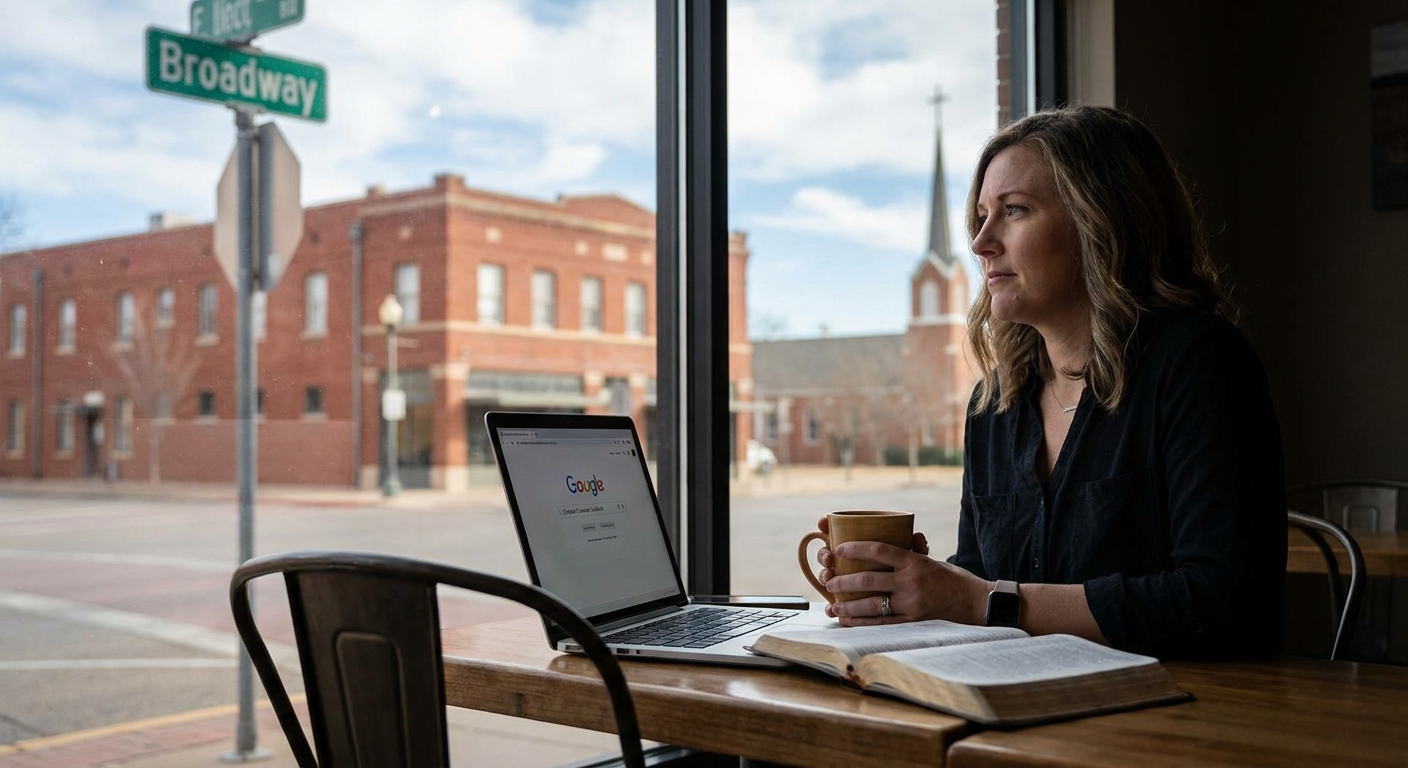
The right counselor isn't just qualified on paper. They're aligned with your beliefs, trained in both faith and practice, and available when you actually need them. If you skip the vetting process, you might end up with someone who checks boxes but misses the mark spiritually. And that's not a risk worth taking when your emotional and spiritual health are on the line.
Know What You're Actually Looking For
Christian counseling isn't one-size-fits-all. Some practitioners lean heavily on psychology with a light touch of faith. Others build every session around scripture and prayer. Both can be effective, but only if they match what you need. Before you start calling offices, get clear on whether you want someone who prays with you, references the Bible regularly, or simply respects your faith while using evidence-based methods.
Your goals matter too. Are you working through grief, anxiety, or marital strain? Do you want someone who specializes in trauma or family services? Knowing what you're walking into helps you ask the right questions and weed out counselors who aren't equipped for your specific situation.
Credentials Matter More Than You Think
Faith is foundational, but it doesn't replace training. A counselor who loves Jesus but lacks professional expertise can do more harm than good. In Texas, legitimate counselors hold state licensure—usually as Licensed Professional Counselors (LPC), Licensed Marriage and Family Counselors (LMFT), or Licensed Clinical Social Workers (LCSW). That's not optional. It's the baseline.
Beyond licensure, look for specialized training in areas that matter to you. Many Christian counselors pursue additional certifications in trauma, addiction, or biblical counseling. Don't hesitate to ask about their education, how long they've been practicing, and whether they've worked with cases like yours. If they dodge those questions, move on.
Ask Your Church First
Your pastor or church leadership probably knows who the solid counselors are in Lubbock. Many churches maintain referral lists or partner with local Christian counseling centers. These aren't random recommendations—they're based on real relationships and outcomes. If your church has sent people to a particular counselor and those people came back healthier, that's a strong endorsement.
Small groups and trusted friends can be resources too. Just keep in mind that what worked for someone else might not fit your needs. Use those referrals as starting points, not final answers.
Practical Details You Can't Ignore
Even the best counselor won't help if you can't afford them or get an appointment. Location, cost, and availability are real barriers for a lot of people. Look for practices that accept your insurance or offer sliding scale fees if money is tight. Some counselors also provide evening or weekend slots for clients who can't take time off work.
Lubbock has options, but not all of them are convenient. Factor in drive time, parking, and whether the office feels like a place you'd actually want to show up to every week. If telehealth is an option, that can open up more flexibility—but make sure the counselor is licensed in Texas and comfortable with virtual sessions.
Test the Fit Before You Commit
Most counselors offer a brief consultation, either by phone or in person. Use that time to gauge whether you feel heard, respected, and understood. Ask how they integrate faith into their practice. Ask about their approach to confidentiality and boundaries. Pay attention to how they respond—if they're defensive, vague, or dismissive, that's a red flag.
Chemistry matters. You might find someone with perfect credentials who just doesn't click with you. That's okay. It's better to keep looking than to force a relationship that doesn't feel right. Trust your gut, and don't settle.
Online Reviews Tell Part of the Story
Check Google, Psychology Today, and any Christian counseling directories for reviews. Look for patterns. Do multiple clients mention the counselor's compassion? Their ability to challenge without judgment? Their skill at weaving faith into sessions? Or do you see complaints about cancelled appointments, poor boundaries, or mismatched expectations?
No counselor will please everyone, but consistent themes—good or bad—are worth noting. Just remember that reviews reflect individual experiences. What frustrated one person might not bother you at all.
What to Look for in That First Session
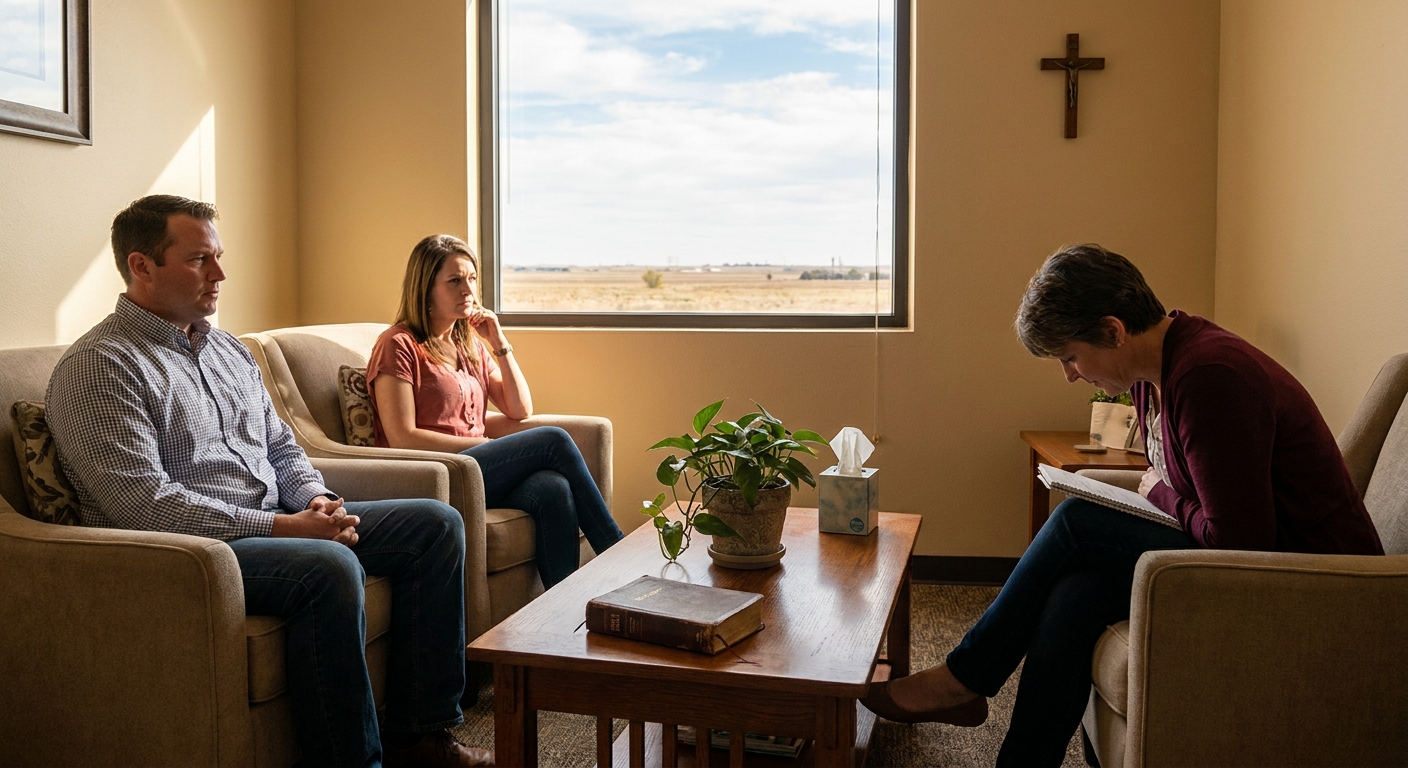
Once you've narrowed your list, schedule an initial appointment. This is where you'll get a real sense of how the counselor works. Do they ask thoughtful questions? Do they listen more than they talk? Do they offer insight without steamrolling your perspective? These are the markers of someone who's skilled at what they do.
Here's what you should expect in that first meeting:
- Clear explanation of their counseling approach and how faith fits in
- Discussion of confidentiality, session length, and fees
- Questions about your goals, history, and what brought you in
- A sense of whether they're equipped to handle your specific needs
- Openness to prayer or biblical discussion if that's important to you
Red Flags You Shouldn't Overlook
Not every counselor who calls themselves Christian is a good fit—or even safe. Watch out for warning signs that suggest poor boundaries, lack of training, or spiritual manipulation. If someone insists that prayer alone will solve your problems, dismisses the role of medication, or makes you feel guilty for seeking help, walk away.
Here are some red flags to keep on your radar:
- No clear licensure or credentials when you ask
- Overly rigid or judgmental responses to your struggles
- Pressure to attend their church or adopt specific doctrines
- Unwillingness to collaborate with your doctor or psychiatrist
- Blurred boundaries around time, payment, or personal contact
When to Bring in Your Spouse or Family
If you're dealing with marriage or family issues, you might need a counselor who works with couples or groups. Not all Christian counselors are trained in relational counseling, so ask upfront. Some practitioners specialize in individual services but can refer you to someone who handles Christian marriage counseling or family systems.
If you're already seeing someone individually but want to bring your spouse in later, check whether your counselor offers that option or if you'll need to find someone new. Switching midstream can disrupt progress, so plan ahead when possible.
Cost and Insurance Realities
Christian counseling isn't always covered by insurance, especially if the counselor operates through a church or ministry. But many licensed Christian counselors do accept major insurance plans. Call your insurance provider to confirm coverage and ask for a list of in-network Christian counselors in Lubbock.
If you're paying out of pocket, expect rates to range from $75 to $150 per session. Some counselors offer sliding scales based on income, and a few Christian counseling centers provide low-cost or donation-based services. Don't let cost stop you from getting help—just ask what options are available.
What Happens If It's Not Working
Sometimes you invest a few sessions and realize it's not the right match. That's not failure—it's clarity. A good counselor will understand if you decide to move on and may even help you find someone better suited to your needs. Don't stay with someone out of guilt or obligation. Your progress is what matters.
Here's when it might be time to switch:
- You don't feel heard or understood after several sessions
- Your counselor's faith approach feels forced or superficial
- You're not seeing any progress or improvement over time
- The counselor frequently cancels or reschedules appointments
- You feel judged, dismissed, or pressured instead of supported
Prayer Is Part of the Process
Finding the right counselor is as much a spiritual decision as a practical one. Pray for discernment. Ask God to lead you to someone who will honor Him and serve your healing. If you're curious about the role of prayer in your sessions, discuss this upfront with potential counselors. Trust that He knows what you need and who can best provide it. Faith doesn't eliminate the need for wisdom, but it does guide the search.
Don't rush the process. Take your time, ask your questions, and listen to both your instincts and the Holy Spirit. The right counselor is out there—you just have to be intentional about finding them.
Common Questions About Christian Counseling
Is Christian counseling different from regular counseling?
Yes. Christian counseling integrates biblical principles and prayer into the counseling process. Secular counseling focuses solely on psychological methods. Both can be effective, but Christian counseling in Lubbock addresses spiritual health alongside emotional well-being.
Will my counselor pray with me?
That depends on the counselor and your preferences. Some incorporate prayer into every session. Others offer it as an option. Discuss this upfront so you know what to expect.
How long does counseling usually take?
It varies. Some people see improvement in a few sessions. Others need months or even years, especially for healing from trauma, addiction, or deep relational wounds. Your counselor should give you a realistic timeline based on your goals.
Start the Search With Confidence
Finding the right Christian counselor in Lubbock takes effort, but it's effort that pays off. When you find someone who combines professional skill with genuine faith, you're not just getting counseling—you're getting support that addresses the whole person. Mind, heart, and soul.
Don't settle for the first name you find. Do the research, ask the questions, and trust the process. Your healing matters, and the right counselor is worth the search.
Let's Take the Next Step Together
We know how important it is to find a counselor who truly understands both your faith and your struggles. If you're ready to move forward, let's talk about how we can support your journey toward healing and growth. Give us a call at 806-955-3230 or book an appointment—we're here to walk alongside you every step of the way.
‹ Back
Recent Posts
-

-
-

When Should Families in Lubbock Consider Family Counseling?
September 18, 2026
-
How Do I Find the Right Christian Counselor in Lubbock?
September 4, 2026
-

Can Marriage Counseling in Lubbock Help Us Communicate Better?
August 21, 2026