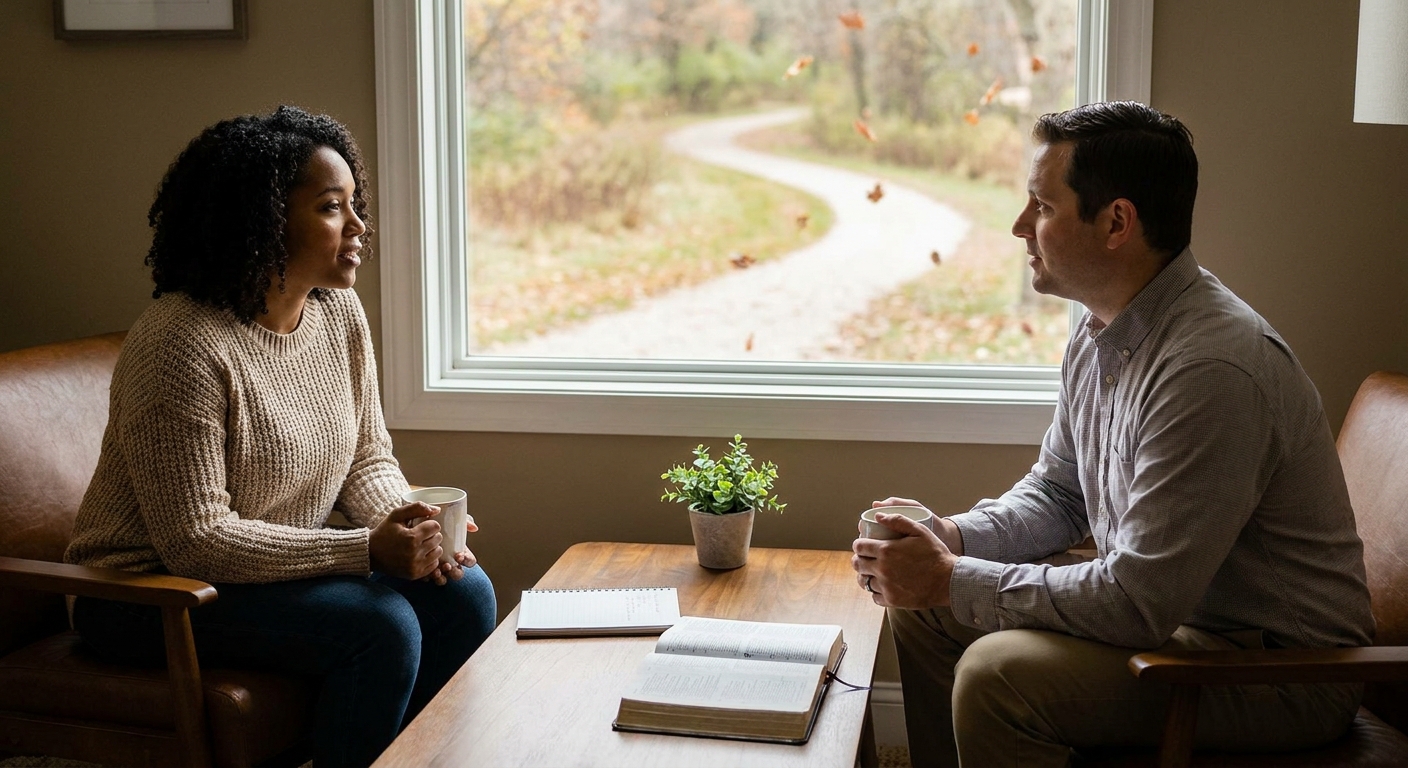


Can Marriage Counseling in Lubbock Help Us Communicate Better?
Most couples think communication is just about talking. We speak, we listen, we move on. But healthy relationships require more than that — and if we're not building real dialogue, we're asking for disconnection. Communication may seem simple on the surface, but it leaves a footprint on every part of our marriage. Especially when we're dealing with resentment, misunderstandings, or emotional distance.
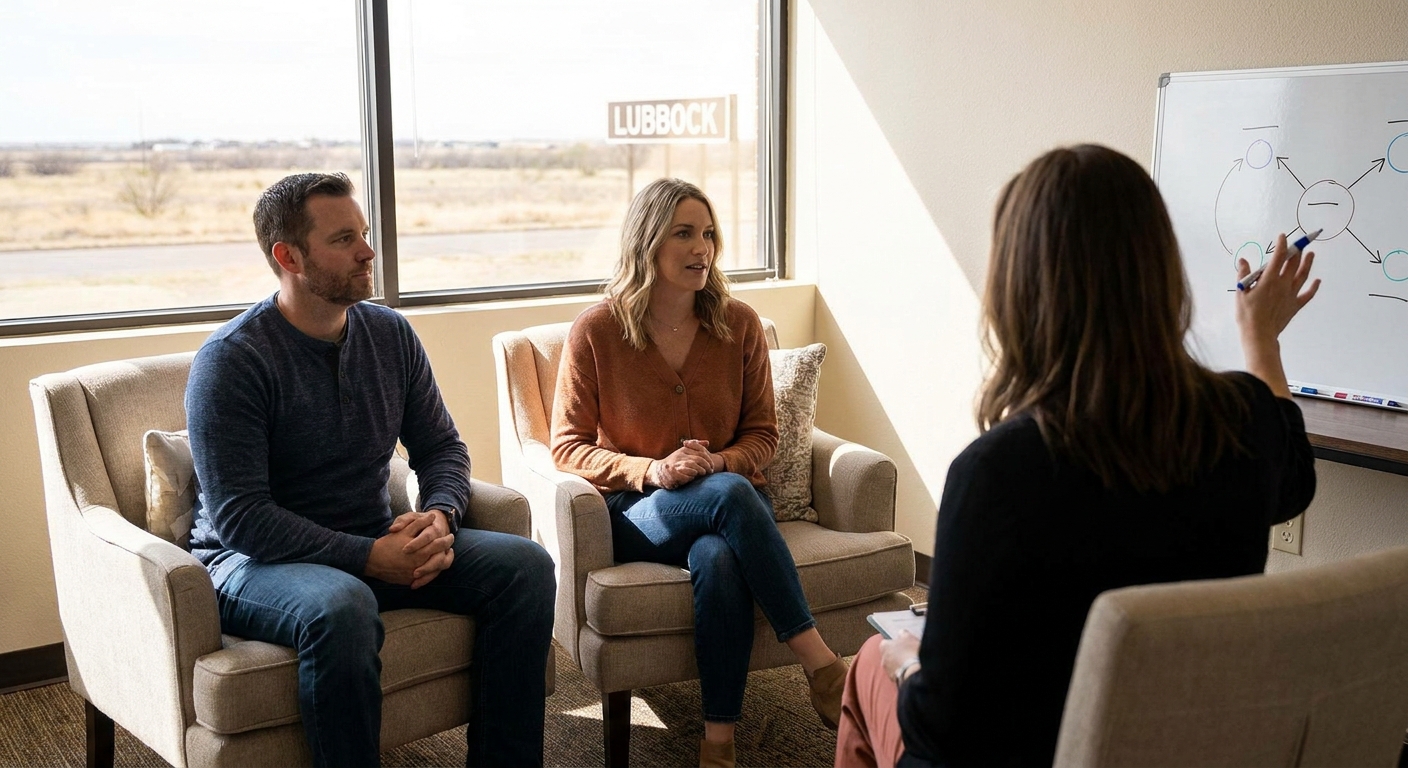
So here's the reality. If we're putting in effort to build something that lasts, that's worth protecting. Just don't assume the words alone will fix what's broken. Every conversation should come from genuine intention. Every conflict needs a framework. And every decision about seeking help should be grounded in how we're connecting — not just how things look from the outside.
When Talking Stops Working
Nine times out of ten, we're not actually fighting about the dishes or the schedule. We're reacting to patterns we've built over months or years — patterns where one of us shuts down, the other pushes harder, and nobody feels heard. Marriage counseling doesn't magically erase those patterns, but it does give us the tools to spot them and interrupt the cycle.
In Lubbock, licensed counselors work with couples who've hit that wall. They help us see where our communication falls apart — whether it's tone, timing, or the fact that we're not saying what we actually mean. Counseling creates space to dig into the real issues without the same tired arguments playing out on repeat. And when we start identifying the triggers, we can finally address what's underneath instead of just reacting to symptoms.
The Skills We Actually Learn
Marriage counseling isn't about sitting on a couch and venting for an hour. It's structured. It's intentional. And it gives us specific, actionable ways to change how we interact. A good counselor doesn't just nod along — they call out the habits that aren't serving us and teach us better ones.
Here's what that process often includes:
- Active listening techniques that help us hear what's being said, not just what we want to respond to
- Conflict de-escalation strategies so disagreements don't spiral into emotional damage
- Emotional vocabulary that lets us name what we're feeling instead of burying it or exploding
- Boundaries around how we engage when we're upset, tired, or overwhelmed
- Follow-through practices that turn insights from sessions into real changes at home
What Happens in a Session
Walk into a Lubbock marriage counseling office and the first thing that happens is an assessment. The counselor asks about our history, our current struggles, and what we're hoping to get out of the work. No two couples are identical, so the approach gets tailored to what we actually need — not a one-size-fits-all script.
From there, sessions might involve role-playing difficult conversations, breaking down recent arguments to see where things went sideways, or practicing new communication methods in real time. Some counselors assign homework — journaling, check-ins, or exercises to try between visits. The goal isn't to fix everything in one sitting. It's to build momentum and give us a roadmap we can follow long after the sessions end.
The Barriers We Hit
Counseling works when we're both willing to show up and do the work. But there are roadblocks that derail progress, and recognizing them early makes all the difference.
Here's where couples tend to stall out:
- One partner is engaged, the other is just going through the motions
- We're not honest with the counselor — or with each other — about what's really bothering us
- We expect instant results and bail when the hard conversations start
- We skip homework or don't apply what we learn outside the office
- We treat counseling like a referee instead of a coach
Finding the Right Fit in Lubbock
Not every counselor is going to click with every couple. Some are more direct, others more reflective. Some focus heavily on emotion, others on behavior. The key is finding someone whose approach feels right for both of us — not just one partner.
Lubbock has a solid network of licensed marriage and family counselors, and many offer initial consultations to see if it's a match. We should ask about their methods, their experience with communication issues, and how they structure sessions. If something feels off, it's okay to try someone else. The relationship with the counselor matters just as much as the techniques they use.
When DIY Isn't Enough
We can read books, listen to podcasts, and try all the tips we find online. But if the communication breakdowns are consistent, recurring, or starting to erode the foundation of the relationship, it's time to bring in a professional. A trained counselor helps us see blind spots we'd never catch on our own and holds us accountable in ways that self-guided efforts just don't.
Here's what a counselor brings to the table:
- Objective perspective without the emotional baggage we're carrying
- Structure that keeps sessions productive instead of circular
- Techniques grounded in research, not just what sounds good
- A safe space where both of us can be vulnerable without fear of judgment
- Accountability that pushes us to follow through when it's uncomfortable
Where Most Couples Stumble
The biggest mistake we see couples make is waiting too long. By the time many partners walk into a counselor's office, the resentment is deep and the trust is fractured. Counseling can still help, but the road back is longer and harder than it would've been if we'd addressed things earlier.
Another common slip-up is treating counseling like a last-ditch effort instead of a proactive tool. We don't wait until our car breaks down to get an oil change. Why wait until the marriage is on the brink to invest in communication? The couples who get the most out of counseling are the ones who show up before things are critical — when they're still motivated to grow together, not just survive.
The Documentation We Need
If we're serious about making progress, we need to track it. That doesn't mean taking notes during every conversation, but it does mean paying attention to what's changing and what's not. A counselor might ask us to journal about triggers, log successful conversations, or rate our emotional state throughout the week.
This isn't busywork. It's how we measure whether the tools are landing or if we need to adjust the approach. Without that feedback loop, it's easy to slip back into old habits and assume counseling "didn't work" when really, we just didn't apply it consistently.
What Success Actually Looks Like
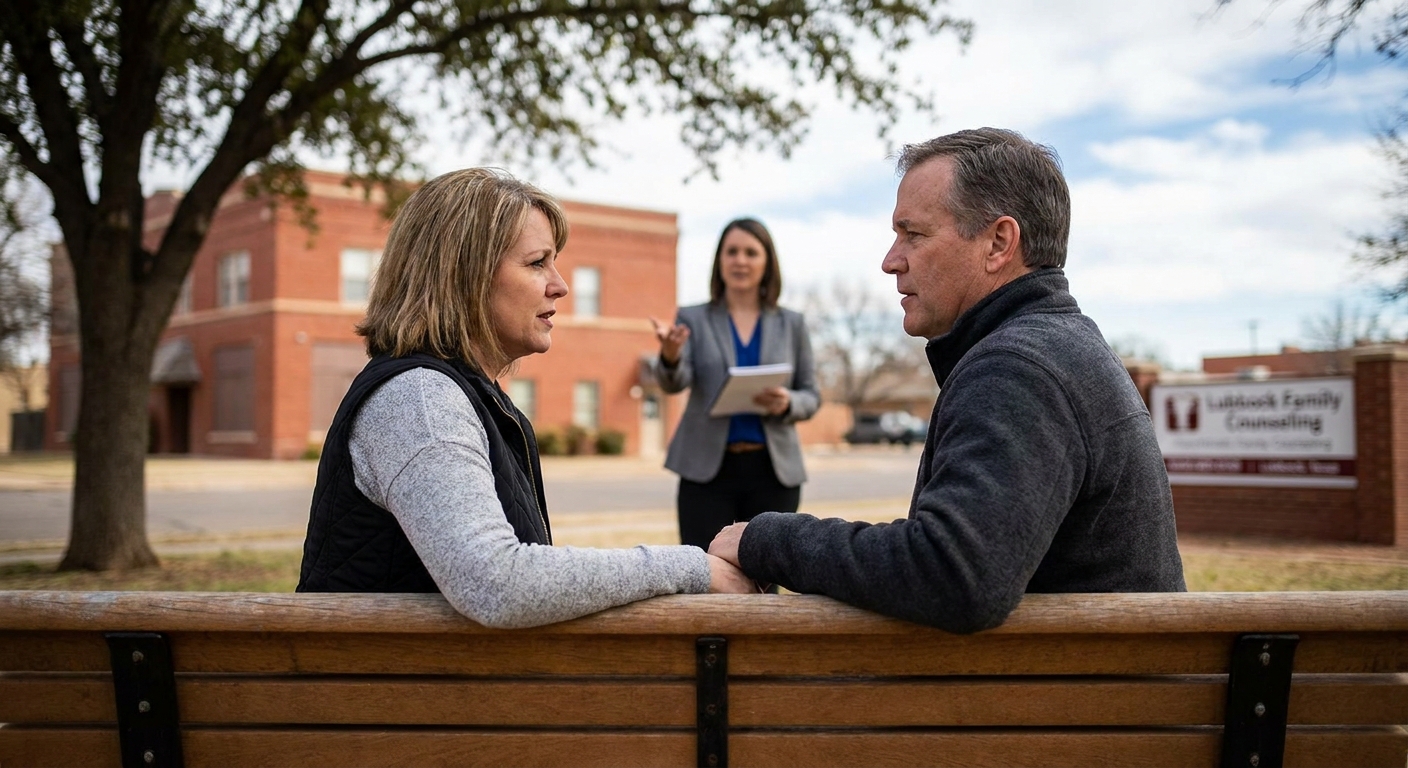
We're not aiming for a marriage where we never argue or always agree. That's not realistic. What we're building is a relationship where we can navigate conflict without destroying each other in the process. Where we can express needs without shame. Where we can listen without defensiveness. Where communication becomes a bridge instead of a battleground.
Marriage counseling in Lubbock gives us the framework to get there. It's not a quick fix, and it's not a guarantee. But for couples willing to engage fully, the payoff is real. Better conversations. Deeper trust. A partnership that feels like a team again instead of two people stuck in the same house.
Questions We Get Asked
How long does marriage counseling take?
It depends on the issues and how much work we're willing to put in. Some couples see improvement in a handful of sessions. Others benefit from months of consistent work. The counselor will help us set realistic expectations based on where we're starting.
What if one of us doesn't want to go?
That makes it harder, but not impossible. Individual counseling can still help one partner develop better communication skills, which can shift the dynamic at home. Ideally, both people are invested, but starting solo is better than not starting at all.
Is marriage counseling expensive?
Costs vary, and some counselors work on sliding scales or accept insurance. Compared to the cost of a broken marriage — emotionally, financially, and otherwise — it's an investment worth making. Many couples find that even a few focused sessions create lasting change.
Making the Call
Admitting we need help doesn't mean we've failed. It means we're choosing to fight for what matters instead of letting it slip away. Communication is the engine of a healthy marriage, and when that engine sputters, we don't ignore it. We get it serviced by someone who knows how it works.
Marriage counseling in Lubbock offers that expertise. It's not about fixing blame or declaring winners. It's about building a new way forward — one conversation at a time. If we're ready to stop repeating the same fights and start creating real connection, the next step is reaching out to a licensed counselor who can guide us through it. The relationship we want is still within reach. We just have to be willing to do the work to get there.
Let's Start Building Better Conversations
We all want a marriage where we feel heard, understood, and connected. If we're ready to move past old patterns and invest in real change, now is the time to take that first step together. Let's talk about how we can strengthen our communication and rebuild trust—call us at 806-955-3230 or book an appointment so we can start this journey side by side.
‹ Back
Recent Posts
-
-
When Should Families in Lubbock Consider Family Counseling?
September 18, 2026
-
How Do I Find the Right Christian Counselor in Lubbock?
September 4, 2026
-
Can Marriage Counseling in Lubbock Help Us Communicate Better?
August 21, 2026
-