


Is Christian Marriage Counseling in Lubbock Right for Us?
Most couples think counseling is just about fixing what's broken. Talking through problems, finding common ground, moving on. But faith-based counseling sees more than that — and if you're not sure what you're walking into, you might miss the point entirely. Christian marriage counseling isn't just therapy with a Bible on the desk. It's a framework that treats your relationship as something sacred, not just functional.
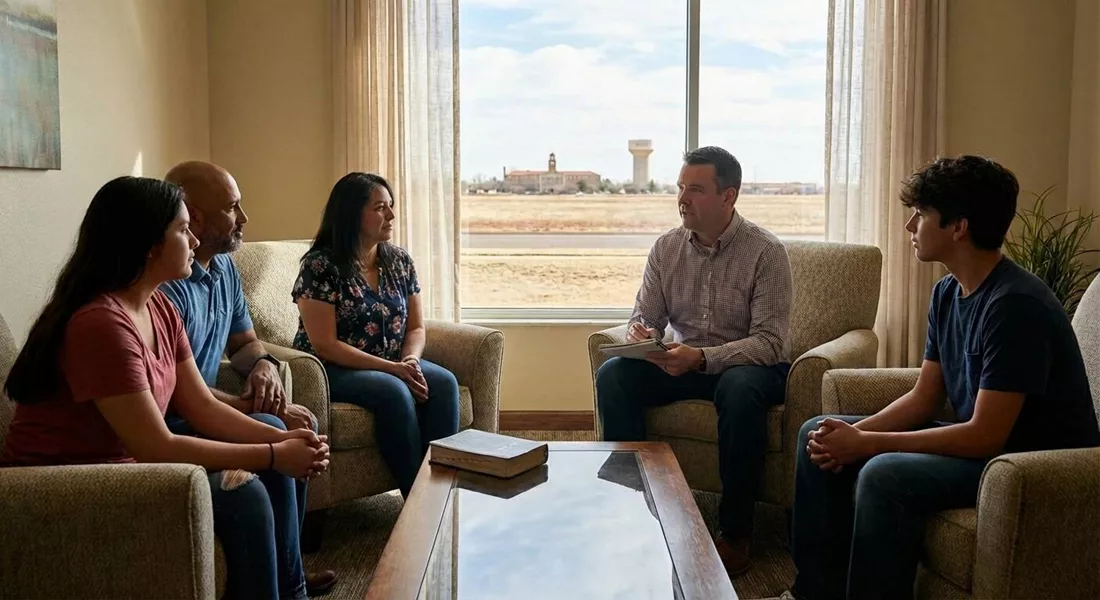
So here's what matters. If you're considering this route, you need to know what you're signing up for. Not every approach fits every couple. And not every counselor who calls themselves Christian operates the same way. The question isn't whether faith belongs in your marriage — it's whether this specific model will help you build something stronger or just add another layer of confusion.
When Faith Shows Up in the Room
Christian marriage counseling doesn't pretend to be neutral. It starts with the assumption that marriage is a covenant, not just a contract. That means the work isn't only about communication skills or conflict resolution — it's about aligning your relationship with biblical principles. Prayer might open the session. Scripture might guide the conversation. And the goal isn't just peace — it's transformation.
For couples who share that foundation, this can be powerful. You're not just learning techniques. You're being reminded of what you believe your marriage is supposed to be. But if one of you isn't on board with that lens, or if your faith looks different, the approach can feel forced. It's not about whether God belongs in your marriage. It's about whether this method resonates with both of you.
What Makes It Different from Secular Therapy
Secular counseling focuses on psychology, behavior, and emotional health. Christian counseling adds another dimension — spiritual health. That means your counselor might ask how you're praying together, whether you're attending church, or how your faith informs your view of forgiveness. It's not just about fixing the fight you had last week. It's about addressing the spiritual disconnect that might be fueling it.
Here's where that shows up most:
- Sessions often include prayer or scripture reading as part of the process
- Counselors may challenge you to forgive in ways that go beyond "letting it go"
- The focus is on reconciliation and restoration, not just resolution
- Your relationship with God is treated as central to your relationship with each other
- Accountability might extend beyond the counseling room into your church community
When This Approach Works Best
Christian marriage counseling thrives when both partners are willing to engage with faith as part of the healing process. That doesn't mean you have to be perfect believers or even at the same place spiritually. But it does mean you're open to the idea that your marriage has a spiritual dimension worth exploring.
If you're both committed to biblical values like grace, humility, and covenant love, this model can give you a shared language for working through hard things. It's not just about what you're doing wrong — it's about what you're called to do differently. And for couples who feel disconnected from their faith, Christian coaching can be a way back in, not just for the marriage but for their spiritual lives too.
Red Flags That It Might Not Fit
Not every couple benefits from faith-based counseling, and that's okay. If one of you feels pressured into a religious framework you don't share, the sessions can backfire. Resentment builds. Walls go up. And instead of drawing closer, you end up further apart.
Watch for these warning signs:
- One partner feels judged or dismissed because their faith looks different
- The counselor prioritizes doctrine over emotional safety
- Scripture is used as a weapon instead of a guide
- You're told to "just pray harder" without practical tools for change
- Your concerns are minimized because they don't fit a biblical narrative
Finding Someone Who Gets It
Not all Christian counselors are created equal. Some are trained therapists who integrate faith thoughtfully. Others are pastors with good intentions but limited clinical experience. You need someone who can hold space for both your spiritual questions and your real-world struggles — without collapsing one into the other.
In Lubbock, you've got options. Churches often have referral lists. Therapy centers advertise faith-based services. But don't just pick the first name you see. Ask about their training. Find out how they balance scripture with evidence-based techniques. And make sure they're licensed, not just well-meaning.
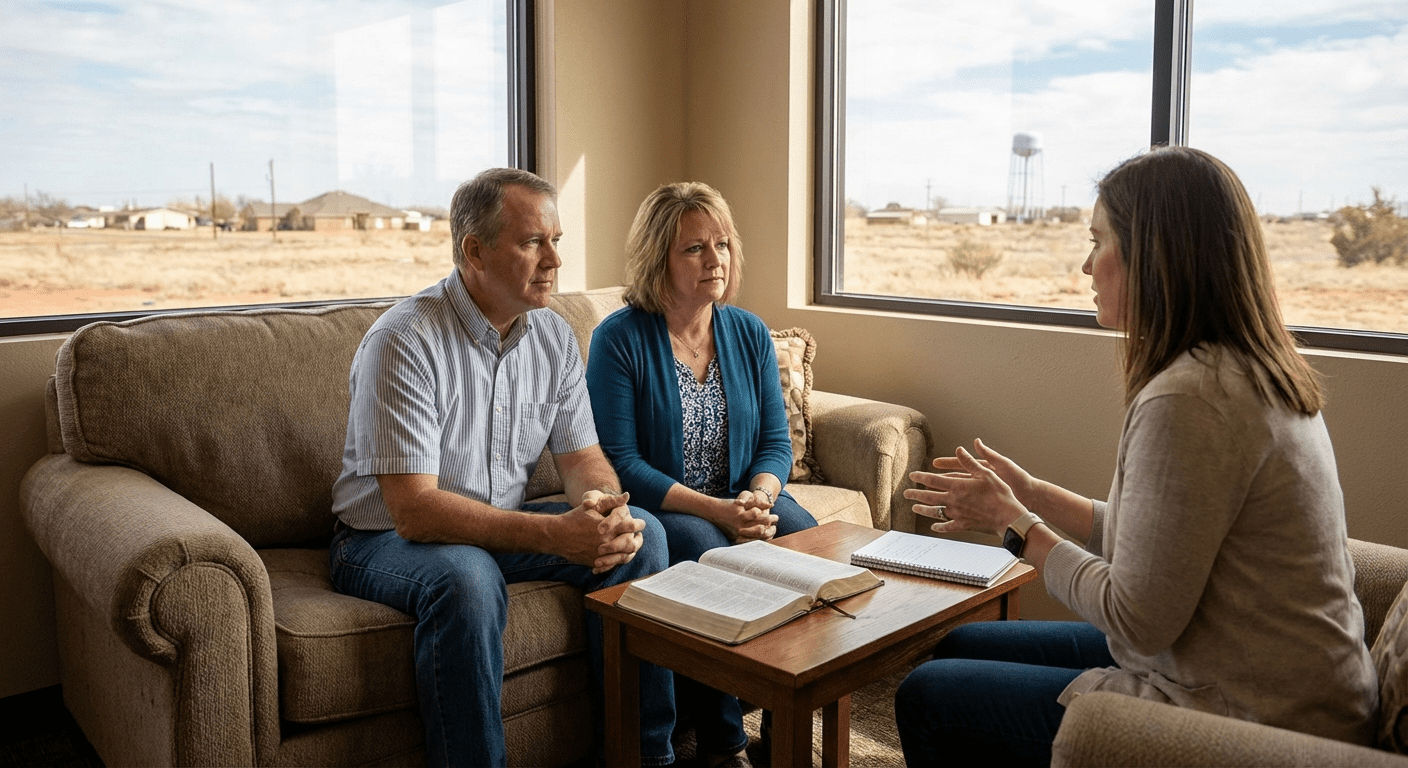
What Your Documentation Should Include
Before you commit to a counselor, get clear on what you're walking into. You wouldn't sign a business contract without reading it — don't treat your marriage counseling any differently.
Here's what to clarify upfront:
- Their credentials and licensing status
- How they integrate faith into sessions
- Whether they use evidence-based therapeutic models alongside biblical teaching
- Their approach to confidentiality and church involvement
- What happens if one partner isn't comfortable with the faith component
Where Couples Get Tripped Up
The biggest mistake couples make is assuming Christian counseling will automatically work because they're both believers. Faith matters, but so does fit. If your counselor's theology doesn't align with yours, or if their style feels rigid, you'll spend more time defending yourself than healing.
Another trap? Expecting the counselor to take sides. Christian counseling isn't about declaring one spouse more righteous than the other. It's about helping both of you grow. If you're looking for validation instead of transformation, you're in the wrong room.
When to Bring in a Professional
If your marriage is struggling and you share a Christian faith, this model might be exactly what you need. But if you're unsure, start with a consultation. Most counselors will meet with you once to explain their approach and see if it's a good match.
A good counselor will help you:
- Identify patterns that are damaging your connection
- Apply biblical principles in practical, non-judgmental ways
- Rebuild trust and intimacy with both emotional and spiritual tools
- Navigate forgiveness without bypassing real hurt
- Strengthen your faith as individuals and as a couple
Building Something That Lasts
Choosing Christian marriage counseling in Lubbock isn't about checking a box or proving you're serious. It's about finding a path that honors both your faith and your reality. The right counselor won't just quote scripture at you — they'll help you live it out in ways that actually change how you treat each other.
Marriage is hard work, and faith doesn't make it automatic. But when both are woven together with skill and care, you've got a foundation that can hold up under pressure. Our team understands that the question isn't whether you need help — it's whether this kind of help will meet you where you are and move you toward where you want to be. If you're ready to explore family services or want to learn more about how we integrate faith into our approach, we invite you to contact us today.
Let’s Take the Next Step Together
We know that reaching out for help can feel daunting, but you don’t have to navigate this journey alone. If you’re ready to see how faith-based counseling can strengthen your marriage, let’s start a conversation. Call us at 806-955-3230 or book now—we’re here to walk alongside you every step of the way.
‹ Back
Recent Posts
-
-
When Should Families in Lubbock Consider Family Counseling?
September 18, 2026
-
How Do I Find the Right Christian Counselor in Lubbock?
September 4, 2026
-

Can Marriage Counseling in Lubbock Help Us Communicate Better?
August 21, 2026
-