


Can Christian Counseling in Amherst Help With Family Stress?
Most families dealing with stress think the answer is just time or space. A little distance, a little patience, and things sort themselves out. But when the tension keeps building — when arguments circle back to the same wounds, when silence becomes the default — time alone won't fix what's broken. Family stress doesn't disappear because you ignore it. It festers. And if faith is part of your foundation, addressing it without that lens can feel incomplete.
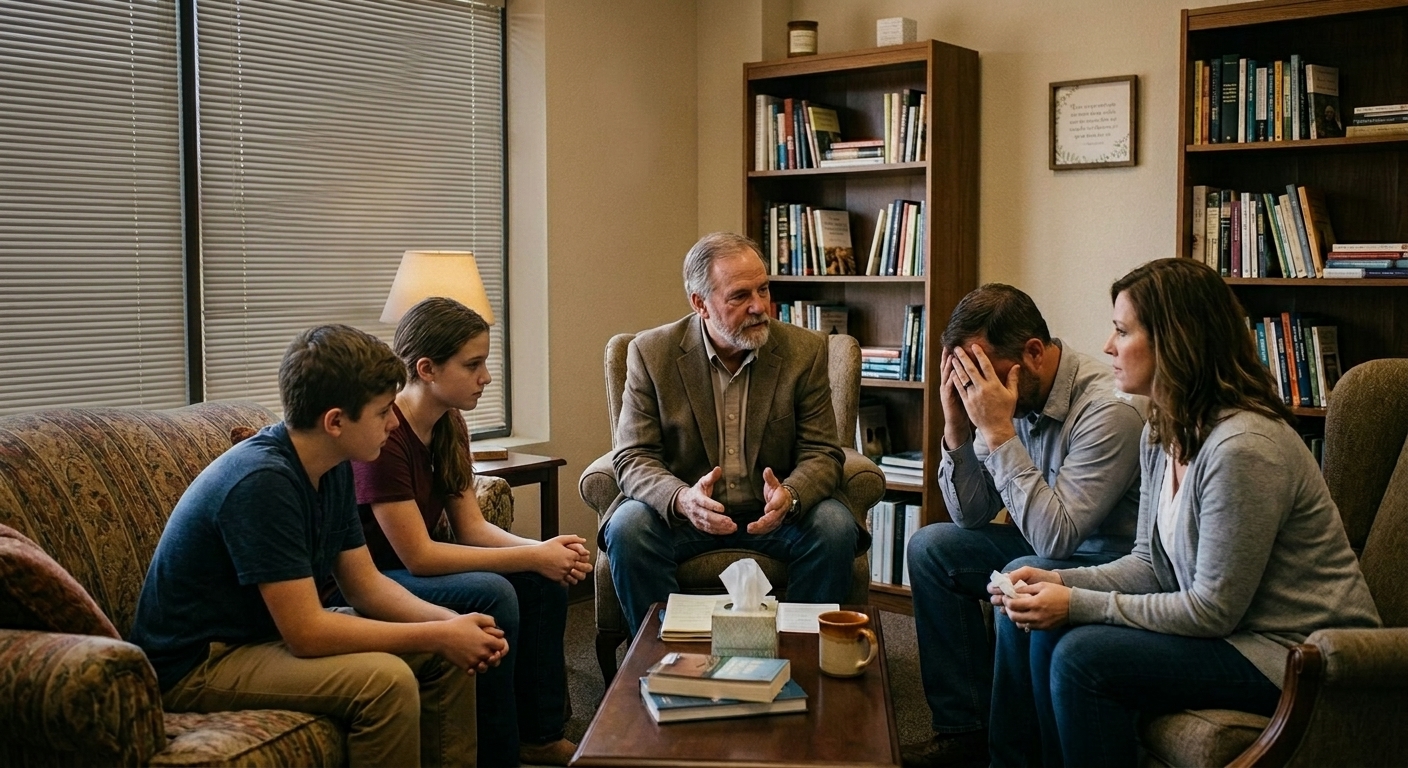
Christian counseling isn't about slapping a Bible verse on a broken dynamic and calling it healed. It's about digging into the real issues — communication breakdowns, unmet expectations, unresolved hurt — while grounding the work in something deeper than behavioral strategies. For families in Amherst looking for help that honors both their struggles and their beliefs, family services grounded in faith offer a framework that secular approaches don't always provide.
When the Household Feels Like a Pressure Cooker
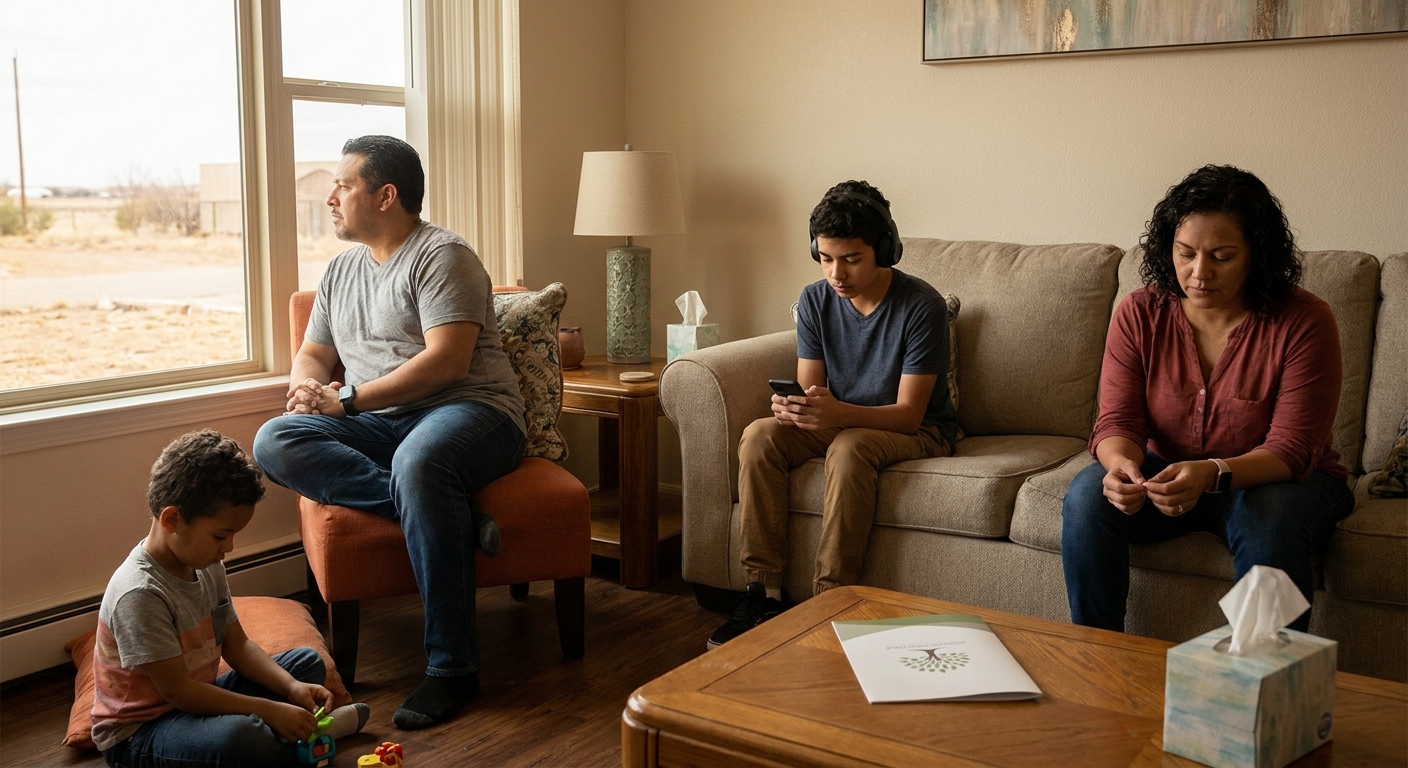
Stress in families doesn't announce itself politely. It shows up as slammed doors, passive-aggressive comments, kids acting out, spouses avoiding eye contact. Financial strain, parenting disagreements, aging parents, blended family friction — the triggers vary, but the result is the same. Everyone's on edge, and nobody knows how to reset.
We see it constantly in Amherst households. Parents stretched thin between work demands and school schedules. Teenagers pulling away just when connection matters most. Couples who've stopped talking about anything that matters. The stress compounds until the home that's supposed to be a refuge feels more like a battlefield. That's when families realize they need more than a self-help book or a weekend getaway. They need structure, guidance, and a space to rebuild what's been damaged.
Faith-Based Counseling Brings More Than Technique
Christian counseling merges clinical practice with spiritual truth. Counselors trained in this approach don't just rely on cognitive behavioral methods or family systems theory — though those tools matter. They also weave in prayer, scripture, and the values that shape how believers view conflict, forgiveness, and restoration.
In Amherst, Christian counselors work with families who want their faith reflected in the healing process. That doesn't mean forcing religion into every session or ignoring evidence-based practices. It means recognizing that for many families, their spiritual beliefs aren't separate from their emotional health. They're intertwined. And when counseling services honor that connection, the work goes deeper.
What Faith-Based Counseling Actually Does for Stressed Families
Christian counseling isn't magic, and it's not a shortcut. But it does offer specific tools and perspectives that secular counseling might overlook. Here's what we've seen make the biggest difference for families navigating stress in Amherst.
The first priority is creating a space where everyone feels heard — not judged, not dismissed, just genuinely listened to. Christian counselors build that environment by leading with compassion and respect, reflecting the grace families are called to extend to one another. That safety allows real conversations to happen, the kind that expose the root issues instead of just rehashing surface arguments.
- Exploring underlying wounds and patterns that fuel ongoing conflict
- Helping families articulate unmet needs without blame or defensiveness
- Identifying destructive cycles and mapping healthier responses
- Encouraging vulnerability in a controlled, supportive setting
- Grounding the work in principles of love, patience, and humility
Integrating Scripture Without Ignoring Psychology
One of the strengths of Christian counseling is that it doesn't pit faith against science. Counselors who understand both realms know how to use biblical wisdom alongside proven techniques. That might mean referencing Ephesians when discussing communication, or using attachment theory to explain why a teenager is withdrawing.
For families who share a Christian worldview, this integration feels natural. Prayer becomes part of the process. Scripture offers perspective on forgiveness, conflict resolution, and perseverance. The counselor isn't just a neutral facilitator — they're a guide who understands the spiritual stakes and can speak into them with authority and care.
- Using prayer to invite peace and clarity into difficult conversations
- Applying biblical principles to modern family dynamics
- Encouraging spiritual disciplines that support emotional health
- Connecting faith communities for additional support and accountability
- Helping families see their struggles through the lens of redemption and growth
Communication Tools That Actually Stick
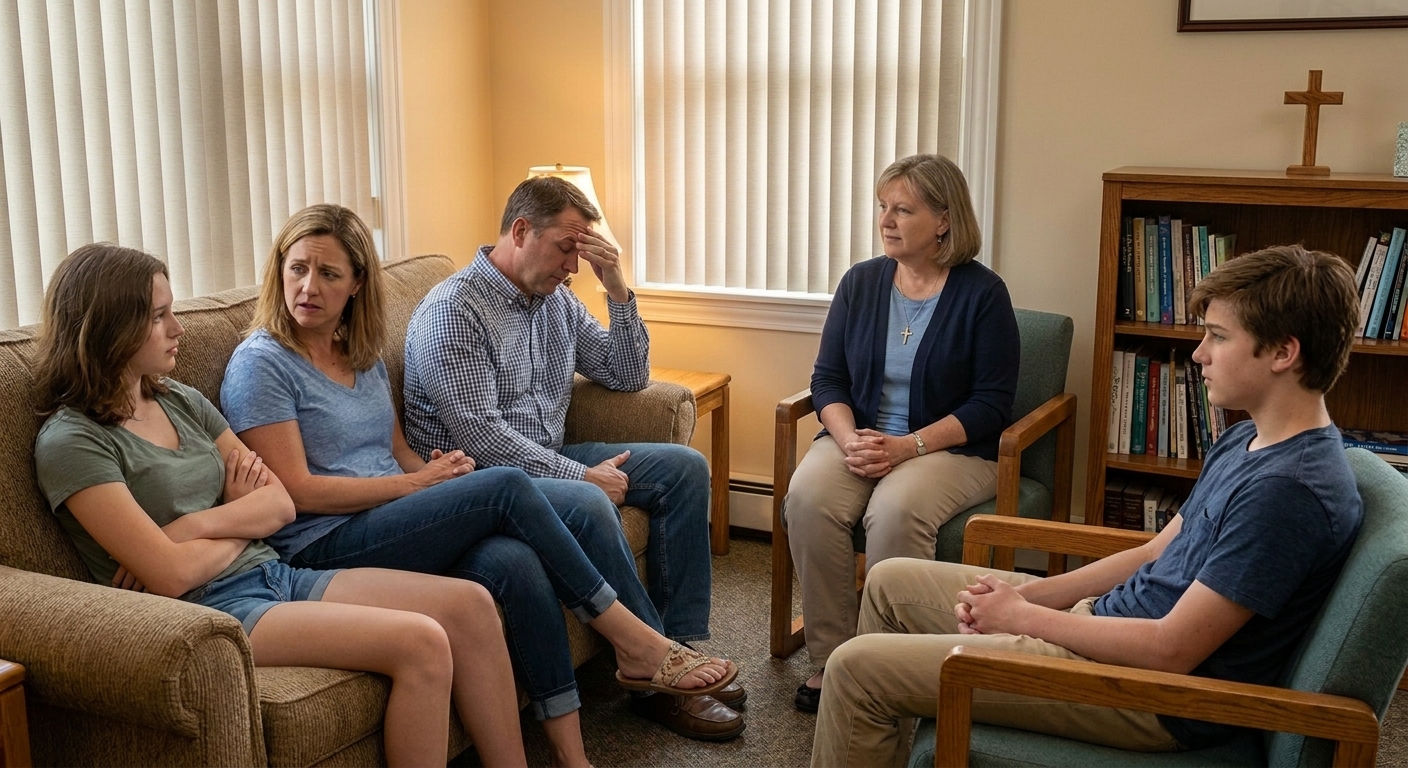
Most family stress comes down to how people talk to each other — or don't. Misunderstandings pile up. Assumptions go unchecked. Defensiveness shuts down dialogue before it even starts. Christian counseling addresses this head-on by teaching communication skills rooted in biblical values like active listening, speaking truth in love, and choosing grace over retaliation.
These aren't just feel-good concepts. They're practical methods that change how families interact daily. Counselors coach parents on how to respond calmly when kids push boundaries. They help spouses articulate frustrations without attacking character. They teach siblings how to resolve disputes without escalating into all-out war. The skills learned in counseling carry over into everyday life, reducing stress at its source.
- Practicing reflective listening to ensure understanding before responding
- Reframing complaints as requests to reduce defensiveness
- Using "I" statements to express feelings without blame
- Establishing boundaries that respect individual needs and family unity
- Learning to pause and pray before reacting in heated moments
Forgiveness Is the Hard Work Nobody Wants to Do
Forgiveness is central to Christian teaching, but it's also one of the hardest things families face. Letting go of resentment, releasing past hurts, choosing reconciliation over grudges — none of that comes naturally. Christian counseling doesn't sugarcoat the difficulty. It walks families through the messy, painful process of forgiving and being forgiven.
This isn't about pretending the hurt didn't happen or excusing bad behavior. It's about acknowledging the wound, processing the pain, and choosing to move forward without letting bitterness define the relationship. Counselors help families distinguish between forgiveness and trust, understanding that while forgiveness can be immediate, rebuilding trust takes time and consistent action.
- Naming specific hurts that need to be addressed and released
- Understanding forgiveness as a repeated choice, not a one-time event
- Separating forgiveness from reconciliation when safety is a concern
- Working through anger and grief before attempting to forgive
- Anchoring the process in God's forgiveness as a model and motivator
Choosing the Right Fit in Amherst
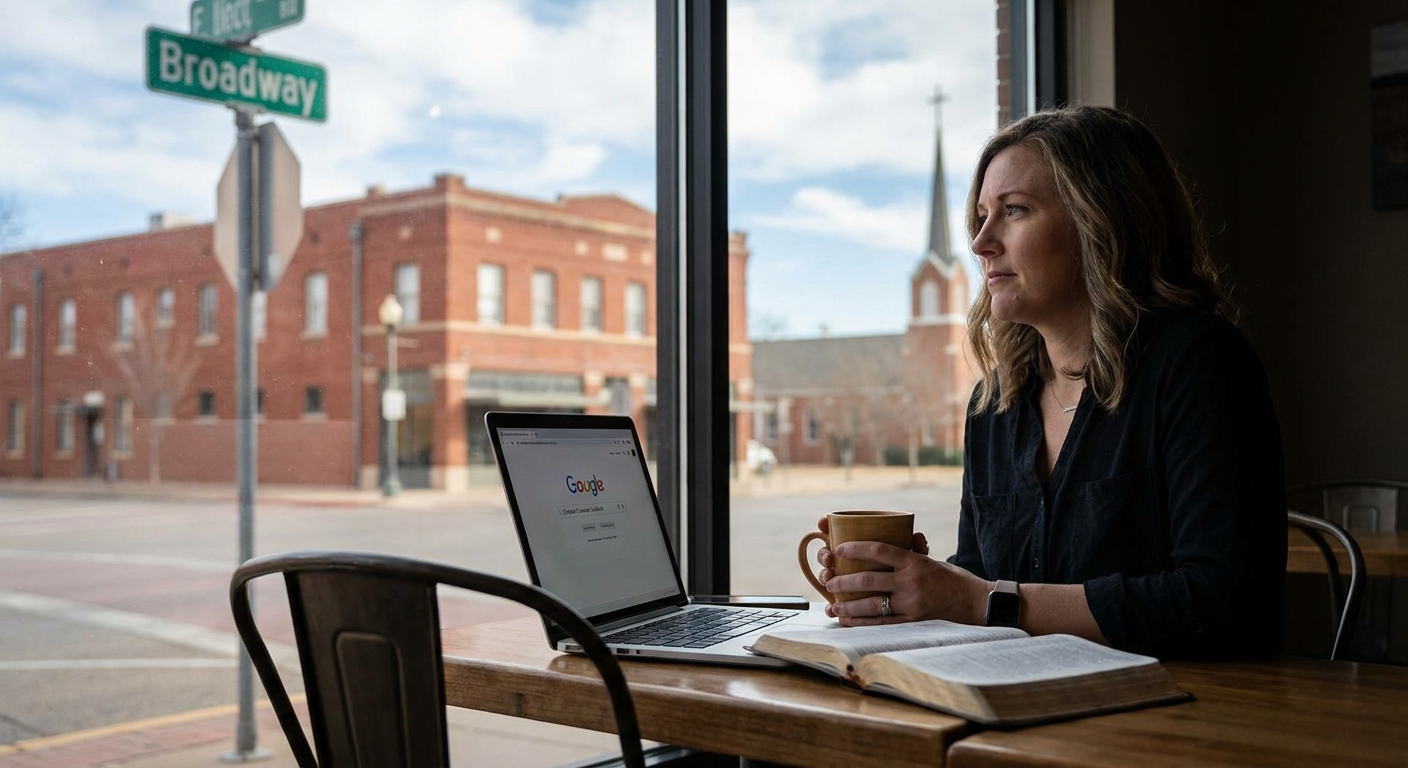
Not all Christian counselors approach counseling the same way. Some integrate faith more explicitly, while others keep spiritual elements subtle. Some work primarily with couples, others specialize in family systems or adolescent issues. Finding the right match matters — not just for credentials, but for compatibility with your family's needs and beliefs.
Look for counselors who are licensed, experienced, and transparent about their approach. Ask questions during initial consultations. How do they incorporate faith? What methods do they use? How do they handle families where members have different levels of religious commitment? The answers will help you determine if the fit is right.
- Verifying licensure and specialized training in family counseling
- Clarifying how faith is integrated into the counseling process
- Discussing confidentiality and expectations upfront
- Assessing whether the counselor's style matches your family's personality
- Confirming availability and logistical details like location and scheduling
Getting Started Means Facing What's Hard
Families don't usually seek counseling because things are going great. They come when stress has reached a breaking point, when avoidance isn't working anymore, when the cost of not changing feels unbearable. That first step — admitting you need help — takes courage. But it's also the moment when real healing becomes possible.
Christian counseling in Amherst offers families a way forward that respects their faith while addressing their pain. It's not about quick fixes or surface-level solutions. It's about doing the hard work of understanding, forgiving, and rebuilding — with God's grace as the anchor and professional guidance as the roadmap. If your family is drowning in stress, don't wait for it to resolve on its own. Reach out to qualified Christian counselors, get help, and start the process of restoration today.
Let's Take the Next Step Together
Family stress doesn't have to be the end of your story. We believe that with the right support and a faith-centered approach, healing and connection are possible for every family in Amherst. If you're ready to move forward, let's talk about how we can help you find peace at home. Call us at 806-224-1199 or book now to start your journey toward a stronger, more unified family.
‹ Back
Recent Posts
-
-
-
When Should Families in Lubbock Consider Family Counseling?
September 18, 2026
-
How Do I Find the Right Christian Counselor in Lubbock?
September 4, 2026
-

Can Marriage Counseling in Lubbock Help Us Communicate Better?
August 21, 2026