


Is Christian Counseling in Earth Helpful During Life Transitions?
Most people think faith-based counseling is just about prayer and scripture. Comfort in, stress out. But transitions demand more than that — and if you're not getting it, you're missing the full picture. Christian counseling may include biblical teaching, but it also leaves room for real psychological tools. Especially when you're navigating grief, career shifts, or family upheaval.

Here's what matters. If you're seeking support that honors both your beliefs and your mental health, that's solid ground. Just don't expect those sessions to replace the work you need to do yourself. Every breakthrough requires honesty. Every strategy needs follow-through. And every decision should be rooted in how you actually live — not just how you want to appear on Sunday morning.
When Faith Meets Professional Support
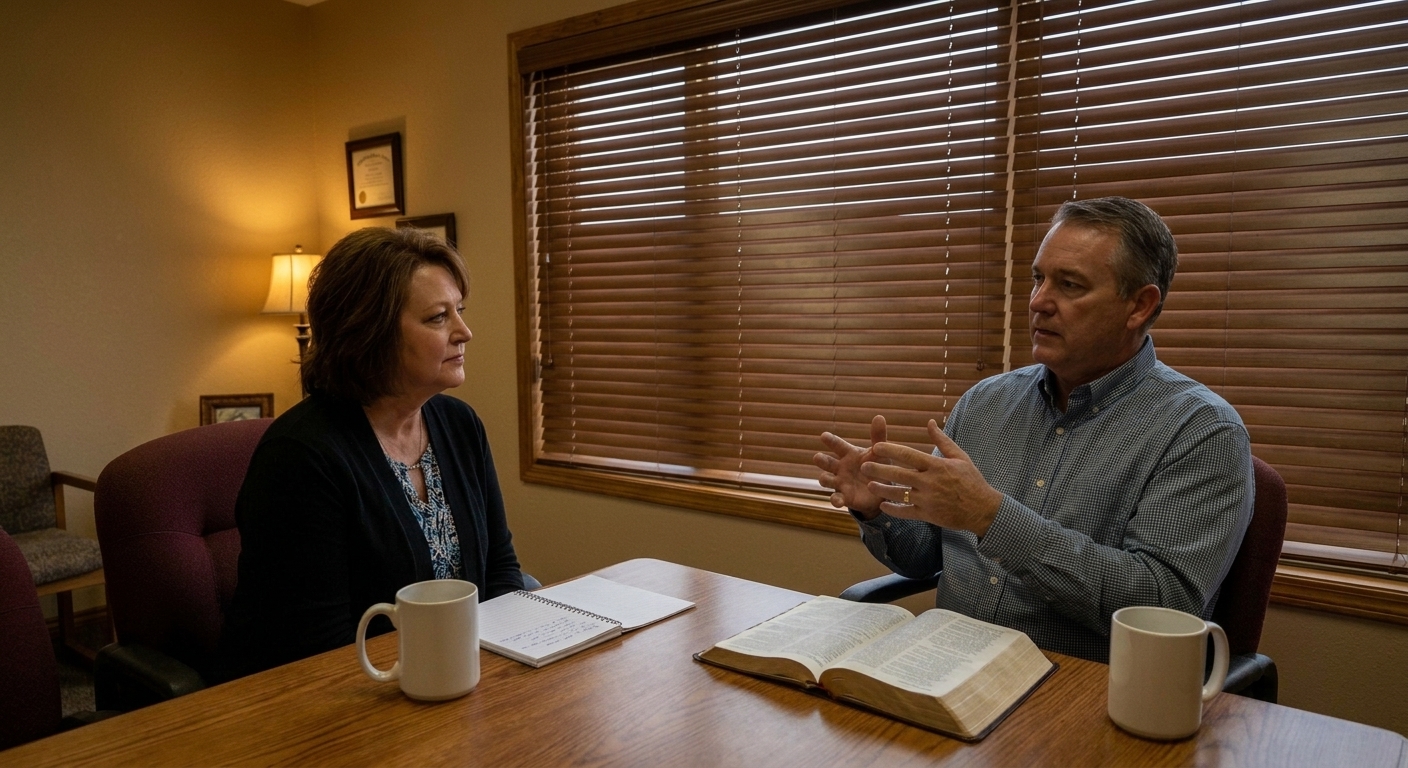
Christian counseling blends therapeutic practice with spiritual perspective. You're not just talking through emotions — you're also wrestling with questions of purpose, sin, forgiveness, and hope. The counselor isn't there to preach at you. They're trained to listen, guide, and challenge you in ways that respect your worldview.
This approach works best when the counselor understands both psychology and theology. They know when to apply cognitive behavioral techniques and when to lean into scripture. They recognize that depression isn't always a spiritual failure and that doubt doesn't disqualify you from faith. The integration is what makes it different — and for many, more effective. For those in the Lubbock area, faith-based help for depression provides this balanced approach.
Transitions Hit Harder Than We Admit
Change doesn't care if you're ready. Whether it's a new job, a broken relationship, or the loss of someone you love, transitions force you to rebuild parts of your identity. Even positive shifts — like marriage or parenthood — come with pressure, uncertainty, and exhaustion.
During these seasons, we ask questions we don't always voice out loud:
- Where is God in this mess?
- Am I supposed to feel this lost?
- How do I move forward without losing who I am?
- What if I'm making the wrong choice?
- Is it normal to feel numb instead of grateful?
These aren't just emotional reactions. They're spiritual reckonings. And they deserve a response that doesn't flatten them into easy answers.
What Christian Counseling Actually Offers
It's not about fixing you with a verse. It's about creating space to process pain, confusion, and growth through a lens that aligns with your faith. Christian counselors help you untangle what's happening internally while pointing you toward practices that ground you spiritually.
Here's where that shows up most:
- Grief and loss: Walking through mourning without bypassing it with hollow encouragement
- Marriage struggles: Addressing communication, intimacy, and resentment with biblical principles and relational tools
- Career uncertainty: Exploring calling, purpose, and stewardship without guilt or fear
- Parenting stress: Managing frustration, expectations, and identity shifts while leaning into grace
- Addiction recovery: Confronting shame, seeking accountability, and rebuilding trust in community
Where It Falls Short Without the Right Fit
Not every Christian counselor is created equal. Some lean too heavily on theology and skip the clinical training. Others water down faith to avoid difficult conversations. And if the counselor's theology doesn't align with yours, the entire process can feel forced or judgmental.
You need someone who can hold tension. Someone who won't spiritualize away your depression or dismiss your questions as lack of faith. If the counselor can't do that, you're better off elsewhere. Chemistry matters. Competence matters more.
Integration Requires More Than Good Intentions
Christian counseling works when it's built on solid training and genuine empathy. The counselor should have credentials — a degree in counseling or psychology, not just a Bible college certificate. They should be licensed or working toward licensure. And they should be able to explain how they integrate faith without crossing ethical lines.
Look for these markers:
- Formal education in both counseling theory and theology
- Experience with the specific issue you're facing
- A clear approach to how they incorporate scripture and prayer
- Willingness to refer you out if they're not the right fit
- Respect for your pace and your doubts
Spiritual Growth Happens in the Struggle
Transitions strip away what's comfortable. They expose where we've been coasting and where our faith has gone shallow. Christian counseling doesn't promise to make that easier. It offers tools to move through it with integrity.
You'll be asked to pray differently. To read scripture more honestly. To sit with discomfort instead of numbing it. And to trust that God's presence doesn't always feel like relief. Sometimes it feels like being seen — fully, uncomfortably, and with mercy you didn't earn. Understanding the role of prayer in Christian coaching sessions can illuminate how this spiritual practice becomes a therapeutic tool.
The Questions You Should Be Asking
Before you commit to a counselor, get clarity on what you're walking into. Don't assume every faith-based practice looks the same. Some are more charismatic. Some are more liturgical. Some are trauma-informed. Some are not.
Here's what to clarify upfront:
- What's your training background?
- How do you integrate faith into sessions?
- What happens if I disagree with your theological perspective?
- Do you collaborate with pastors or church leaders?
- What's your experience with my specific issue?
When Professional Help Becomes Non-Negotiable
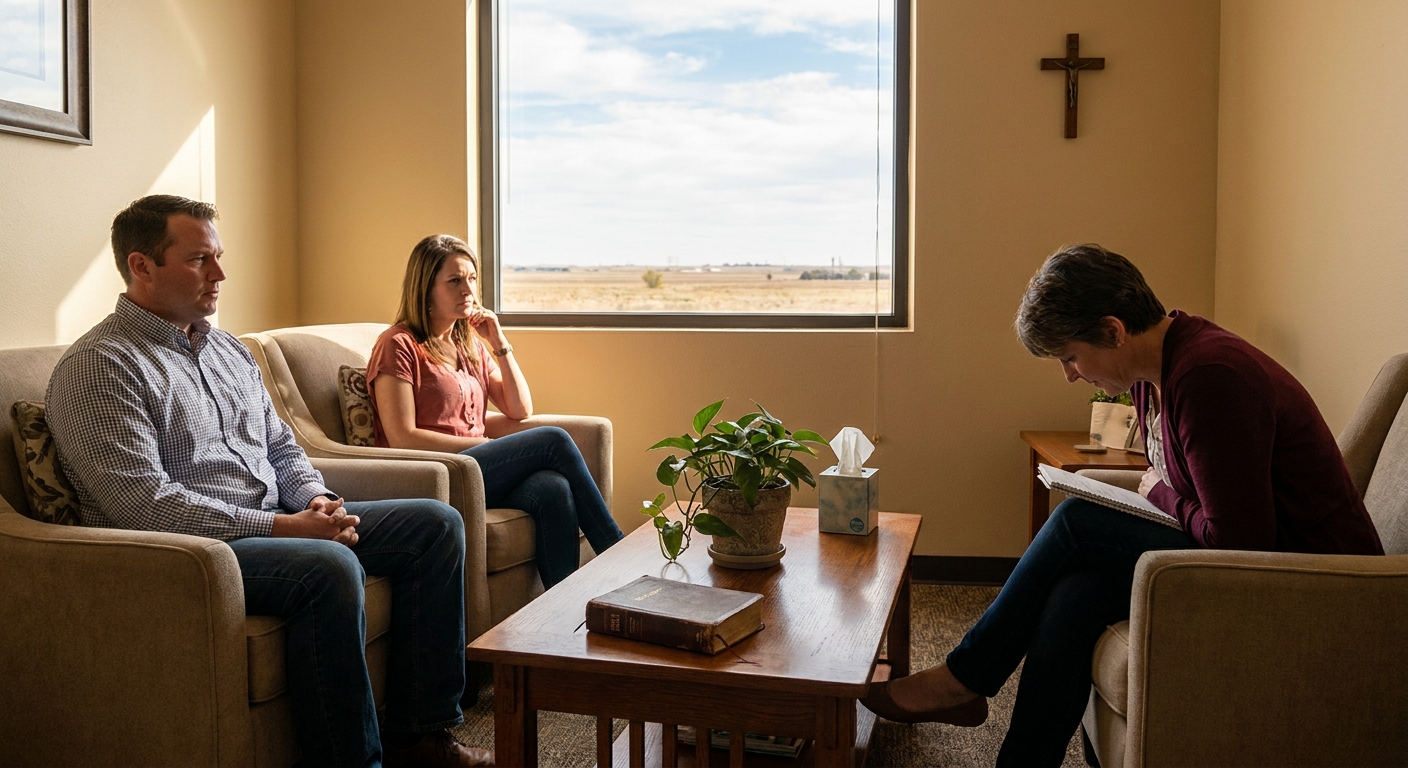
If you're dealing with trauma, severe depression, suicidal ideation, or addiction, you need more than pastoral care. You need licensed clinical support. Christian counseling can be part of that — but it shouldn't be the only part. Professional services like healing from trauma with Christian therapists combine clinical expertise with spiritual care.
Faith doesn't negate the need for medication, hospitalization, or intensive therapy. It complements it. A good Christian counselor will recognize their limits and help you access the full range of care you need. If they discourage medical intervention or frame mental illness as purely spiritual warfare, walk away.
Transitions Demand More Than Clichés
You don't need someone to tell you God has a plan. You need someone to help you sit in the tension of not knowing what that plan looks like yet. Christian counseling at its best doesn't hand you answers. It helps you ask better questions, builds practices that sustain you, and reminds you that faith isn't fragile just because you are. For young adults navigating major life changes, faith-based life coaching for young adults offers targeted support during these critical transitions. When couples face challenges during transitions, Christian coaching helps strengthen marriages by addressing both relational dynamics and spiritual alignment. Additionally, overcoming grief with faith-based coaching provides specialized support for one of life's most difficult transitions.
Change will keep coming. The goal isn't to avoid it. The goal is to walk through it with tools that work, support that holds, and a faith that deepens instead of shrinks. That's where Christian counseling makes the difference — when it's done right, with skill, with honesty, and without shortcuts.
Let’s Navigate Change Together
Life’s transitions can feel overwhelming, but we don’t have to face them alone. At The Oaks Christian Family Services, we’re committed to walking alongside you with both faith and practical support, so you can move forward with confidence and clarity. If you’re ready to take the next step, call us at 806-224-1199 or book now to start your journey toward healing and growth.
‹ Back
Recent Posts
-
-
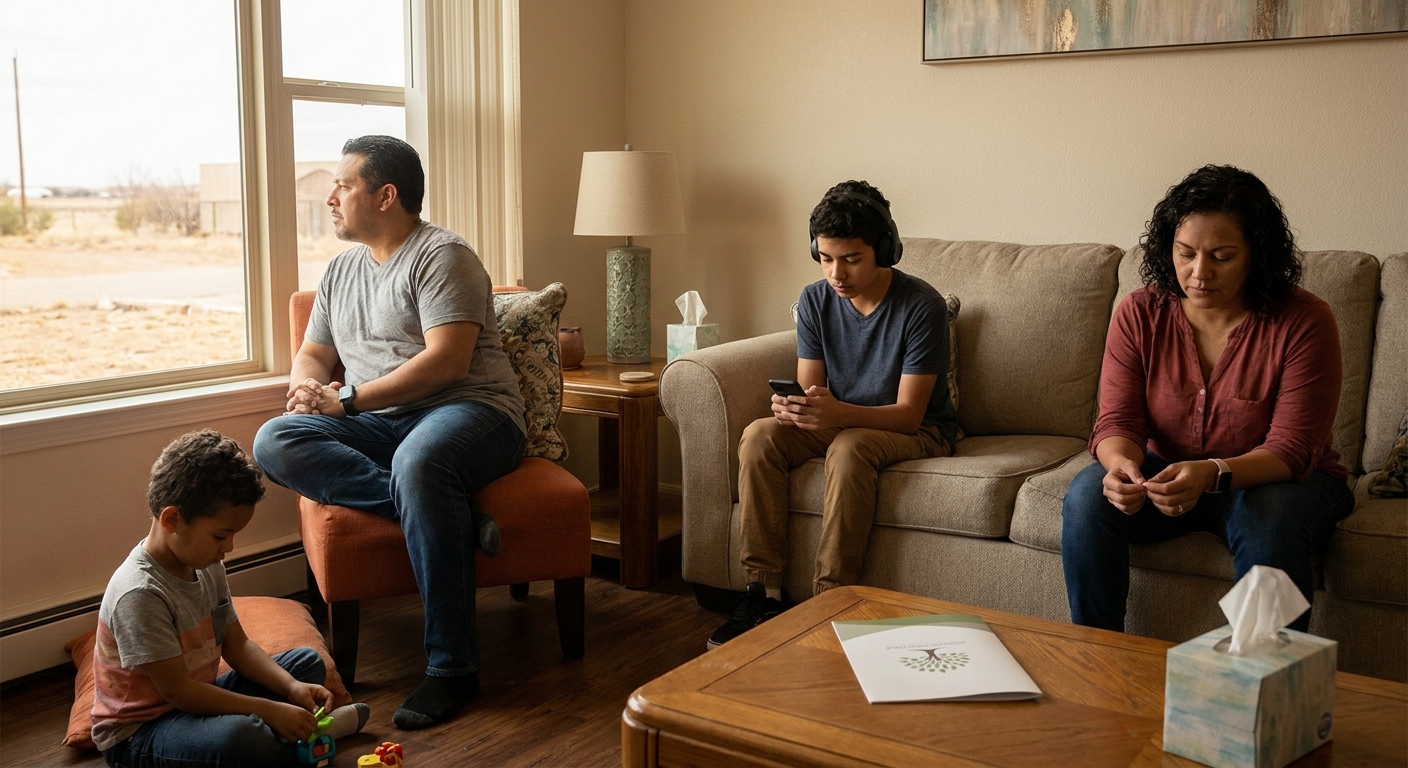
When Should Families in Lubbock Consider Family Counseling?
September 18, 2026
-

How Do I Find the Right Christian Counselor in Lubbock?
September 4, 2026
-

Can Marriage Counseling in Lubbock Help Us Communicate Better?
August 21, 2026
-