


Can Faith-Based Counseling in Lubbock Help With Anger?
Most people think anger is just about losing your temper. A flash of heat, a raised voice, maybe a slammed door. But anger runs deeper than that — and if you're not addressing the root, you're just managing symptoms. Anger doesn't exist in a vacuum. It shows up in your relationships, your work, your health, and yes, your spiritual life. Especially if you're someone who values faith, ignoring that connection is like trying to fix a car with half the tools.
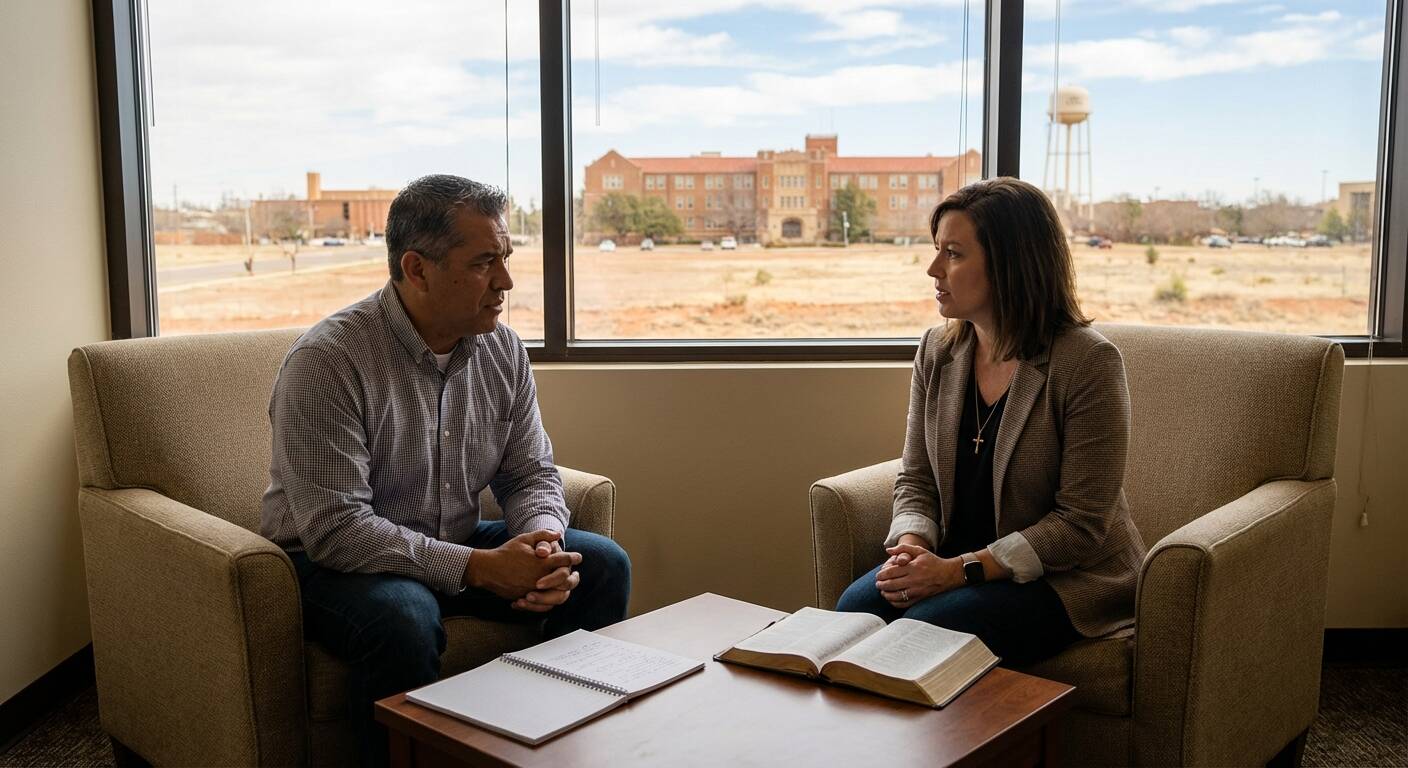
So here's what matters. If you're dealing with anger that won't quit, faith-based counseling in Lubbock offers more than talk therapy. It brings your beliefs into the room. It asks hard questions about forgiveness, purpose, and what's really driving the rage. And for a lot of people, that's the difference between spinning wheels and actually moving forward.
Anger Doesn't Just Disappear on Its Own
We've all been told to "calm down" or "let it go." Great advice — if it actually worked. But unmanaged anger doesn't fade. It festers. It damages trust, burns bridges, and wears you down from the inside. Over time, chronic anger contributes to anxiety, depression, and a laundry list of physical problems. High blood pressure. Heart issues. Sleep disruption. Your body keeps the score even when your mind tries to move on.
And here's the kicker. Anger isn't always the real problem. It's often a cover for something else — hurt, fear, shame, or unmet needs. That's why surface-level fixes don't stick. You need to dig into what's underneath, and that takes more than willpower. It takes guidance, structure, and for many, a framework rooted in something bigger than themselves.
What Faith-Based Counseling Actually Looks Like
Faith-based counseling isn't just regular therapy with a Bible verse tacked on. It's an integrated approach that treats your spiritual life as part of your emotional health — not separate from it. In Lubbock, where faith communities run deep, this kind of counseling is built around the idea that healing involves the whole person. Mind, body, and spirit.
Counselors trained in this model use proven psychological techniques alongside spiritual practices. That might mean exploring scripture, incorporating prayer, or examining how your beliefs shape your reactions. It's not about preaching at you. It's about helping you connect the dots between what you believe and how you behave — especially when anger takes over.
How Faith Plays a Role in Managing Anger
Faith-based counseling doesn't just acknowledge your beliefs. It uses them as tools for change. Here's how that plays out in real sessions:
- Exploring the spiritual roots of anger: Sometimes anger is tied to feelings of injustice, betrayal, or abandonment — themes that show up in scripture and in life. Counselors help you process those emotions through a faith lens.
- Practicing forgiveness as a discipline: Forgiveness isn't a one-time event. It's a process, and faith traditions offer frameworks for working through it — even when it feels impossible.
- Building patience and self-control: Spiritual practices like prayer, meditation, and reflection help you slow down and respond instead of react.
- Leaning on community support: Many faith communities in Lubbock offer small groups, accountability partners, and other resources that reinforce what you're learning in counseling.
- Finding purpose beyond the anger: Faith-based counseling helps you see yourself as more than your worst moments. It reframes your identity around grace, growth, and redemption.
What Happens in a Session
If you're walking into faith-based anger counseling for the first time, expect a space that's both professional and personal. You won't be judged for your struggles, and your faith won't be weaponized against you. Instead, it becomes part of the healing process.
Sessions typically involve identifying what sets you off, exploring the emotions underneath the anger, and learning practical ways to respond differently. You'll also spend time reflecting on spiritual questions — how your faith informs your values, how forgiveness fits into your story, and what it means to grow through struggle instead of just surviving it. Many people find that prayer in Christian coaching sessions provides a grounding practice that helps them process difficult emotions in real time.
The Tools You'll Walk Away With
Faith-based counseling isn't just about talking. It's about building skills you can use when anger shows up in real time. Here's what that toolkit often includes:
- Recognizing your triggers before they escalate
- Understanding the difference between healthy and destructive anger
- Learning communication techniques that don't blow up relationships
- Using prayer and scripture as grounding practices
- Setting boundaries that protect your peace without isolating you
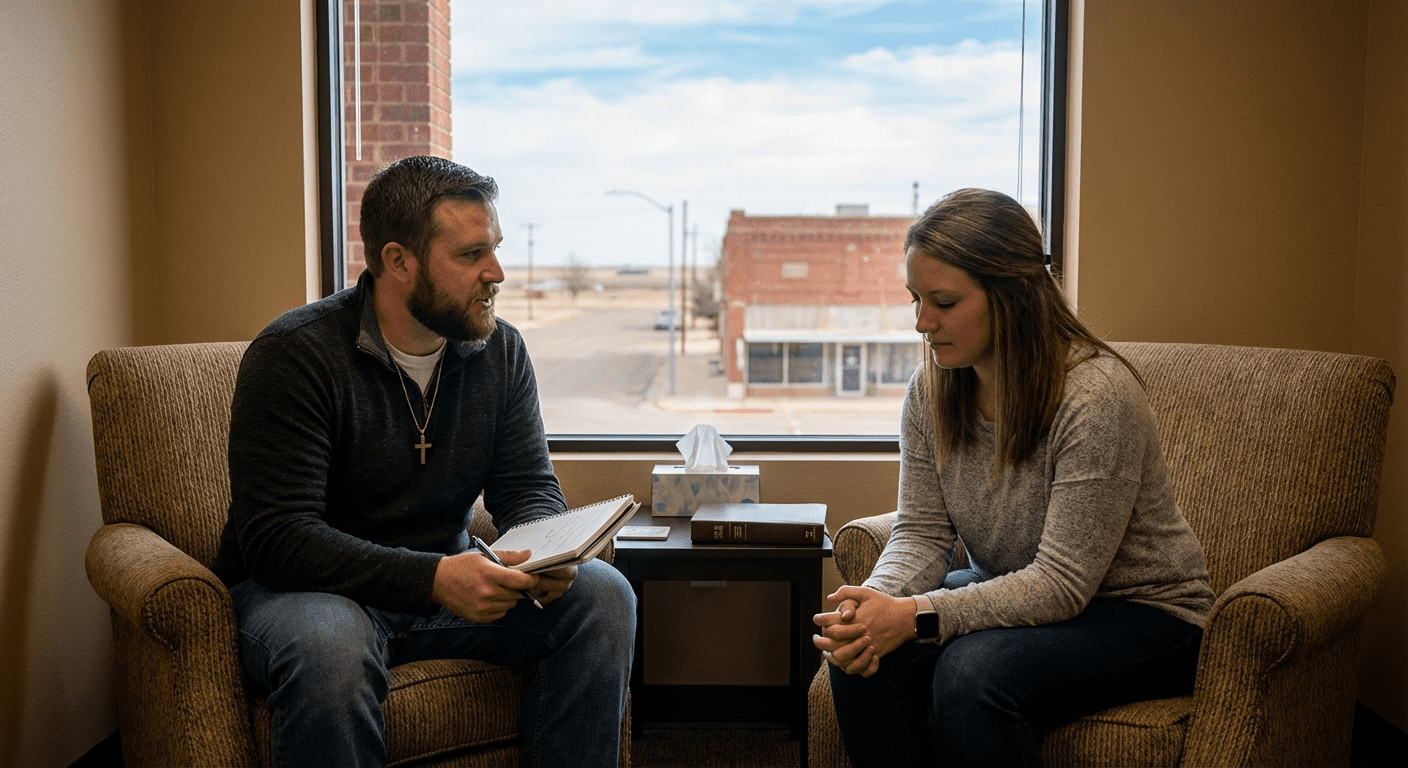
Where to Find Help in Lubbock
Lubbock has a strong network of faith-based counselors, many of whom specialize in anger management. You'll find options through local churches, private practices, and community organizations. When you're choosing a counselor, look for someone who shares your values and has a track record of helping people work through anger — not just suppress it.
Ask about their training, their approach, and how they integrate faith into the process. A good counselor will be upfront about what to expect and won't promise overnight fixes. Real change takes time, and the right counselor will walk that road with you. To explore your options, you can meet the team of professionals who specialize in faith-centered support.
Common Mistakes People Make
Even with the best intentions, people stumble when it comes to managing anger. Here are the traps we see most often:
- Waiting until it's a crisis: Anger doesn't get better on its own. The longer you wait, the harder it is to untangle.
- Thinking faith alone is enough: Faith is powerful, but it's not a substitute for professional guidance. You need both.
- Skipping the hard conversations: Healing requires honesty — about your past, your pain, and your patterns. Avoiding those conversations keeps you stuck.
- Expecting instant results: Anger management is a process, not a quick fix. Progress happens in small steps, not giant leaps.
- Going it alone: Isolation makes everything worse. Whether it's a counselor, a support group, or a trusted friend, you need people in your corner.
Why This Approach Works for So Many
Faith-based counseling resonates because it doesn't ask you to check your beliefs at the door. It honors the fact that for many people, faith is central to who they are — and that includes how they process emotions like anger. When counseling aligns with your values, it's easier to engage, easier to trust, and easier to stick with the work even when it's uncomfortable.
In Lubbock, where faith communities are woven into the fabric of daily life, this kind of counseling feels less like a clinical intervention and more like a natural extension of the support systems people already rely on. It's not about fixing you. It's about helping you become the person you're meant to be — someone who can feel anger without being controlled by it. Whether you're seeking individual services, family services, or group services, there are multiple pathways to healing that honor your faith journey.
When to Reach Out
If anger is costing you relationships, peace of mind, or your sense of self, it's time to get help. Faith-based counseling in Lubbock offers a path forward that's grounded in both proven techniques and spiritual truth. You don't have to have it all figured out before you walk through the door. You just have to be willing to start.
Anger doesn't have to define you. With the right support, you can learn to manage it, understand it, and move beyond it. And in a city like Lubbock, where faith and community matter, you're not doing it alone.
Let’s Take the Next Step Together
We know how hard it can be to face anger head-on, but you don’t have to do it by yourself. At The Oaks, we’re here to walk with you, combining faith and proven strategies to help you find real peace. If you’re ready to start making meaningful changes, give us a call at 806-955-3230 or book now to connect with our team and begin your journey toward healing.
‹ Back
Recent Posts
-
-
When Should Families in Lubbock Consider Family Counseling?
September 18, 2026
-
How Do I Find the Right Christian Counselor in Lubbock?
September 4, 2026
-

Can Marriage Counseling in Lubbock Help Us Communicate Better?
August 21, 2026
-